An instruction can be correct and still be difficult to use at the point of work. The question is whether the right person can find the right version, recognize the relevant transition and understand what to do next.
Distinguish the documents
Lean Enterprise Institute describes standardized work in terms of takt time, work sequence and standard in-process inventory. It also distinguishes related work standards and job instruction sheets. A changeover checklist is not automatically a complete standardized-work system.
For a preparation review, begin with the documents your site actually uses. Identify the authoritative instruction, any supporting checks and the records that show what happened. Give each a clear purpose instead of asking one file to carry every kind of information.
Test the path to the instruction
Ask a supervisor to locate the current approved instruction for a specific transition. Notice where the search becomes uncertain: a filename, a similar bottle format, a missing revision or a link that opens a local copy.
A useful index should identify the line, the applicable format or product family, the document owner and the revision. Link to the controlled source where possible. Copying an instruction into another system creates a second place that must be maintained.
Separate feedback from approval
Operators may spot an unclear image, an awkward sequence or a condition the document does not cover. Capture that observation with enough context for review. Preserve the difference between a suggestion and an authorized change.
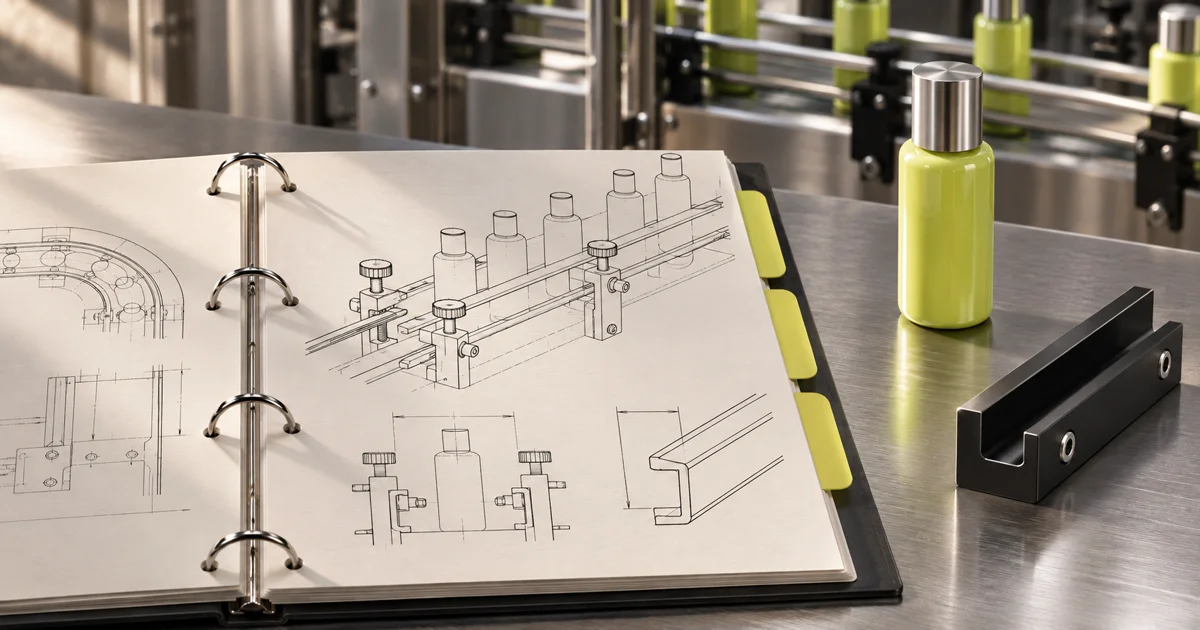
For example, an illustrative feedback note might say: ‘The pictured guide rail differs from the part fitted on Line 2; please confirm applicability.’ That is a question for the document owner. It should not silently replace the image for every line.
Review the practical details
During an authorized review, check whether images show the correct configuration, terms match the labels used at the line and prerequisites are easy to identify. Involve the people who use the instructions and the functions responsible for quality and safety.
After an approved update, confirm how affected teams will find and recognize the revision. Keep the feedback record linked to the change so the original problem remains traceable.
Cadensa helps surface relevant knowledge for review. Existing document-control and approval processes remain authoritative.
Take it to the line.
Choose one recurring transition and follow the path from the preparation plan to the approved instruction. Record the first point where the user has to guess.
Further reading
A Cadensa discussion guide. Adapt the ideas to your site’s approved procedures.